With so many samples from one sample, I was surprised with the variance in fermentation.
Most of the wild yeast projects I’ve seen put all all the hope into single samples without further enumeration. I’m encouraged that enumerating the samples has resulted in just a few that show the most promise . My “just in case samples” from the other overripe tube were mainly bacteria and very little yeast.
So from 6 initial samples from the same type of fruit from the same orchard at different stages of ripeness , ended in one good sample. From that one , I made 20 new samples and after just 3 days , only six of them are showing good characteristics.
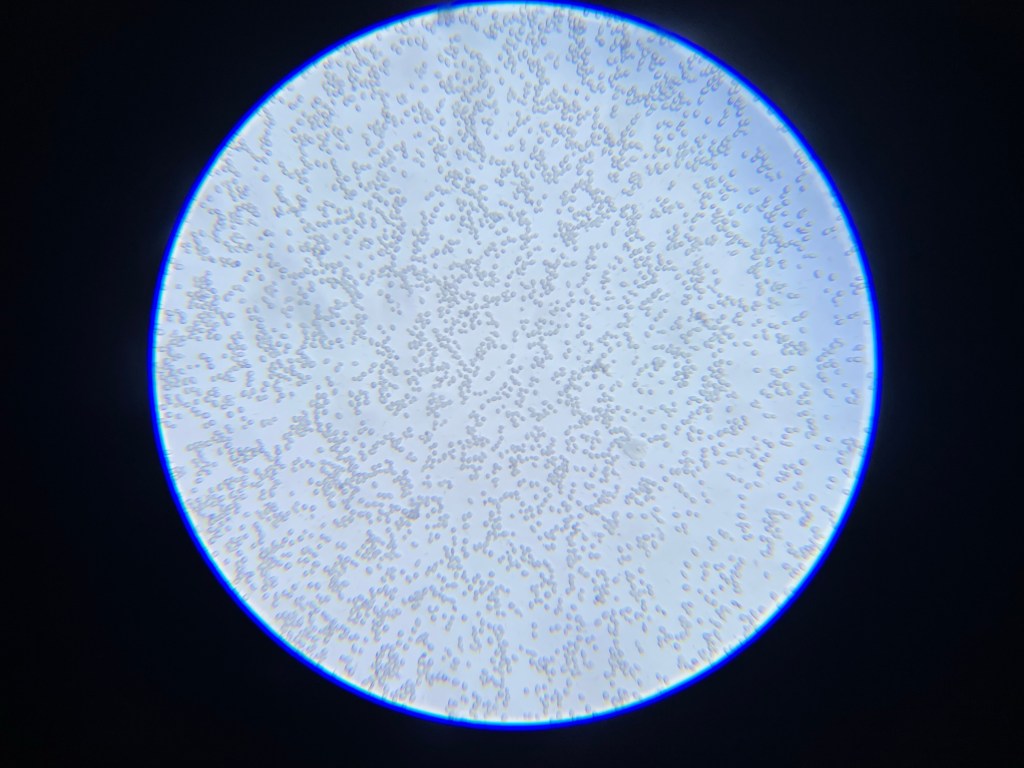
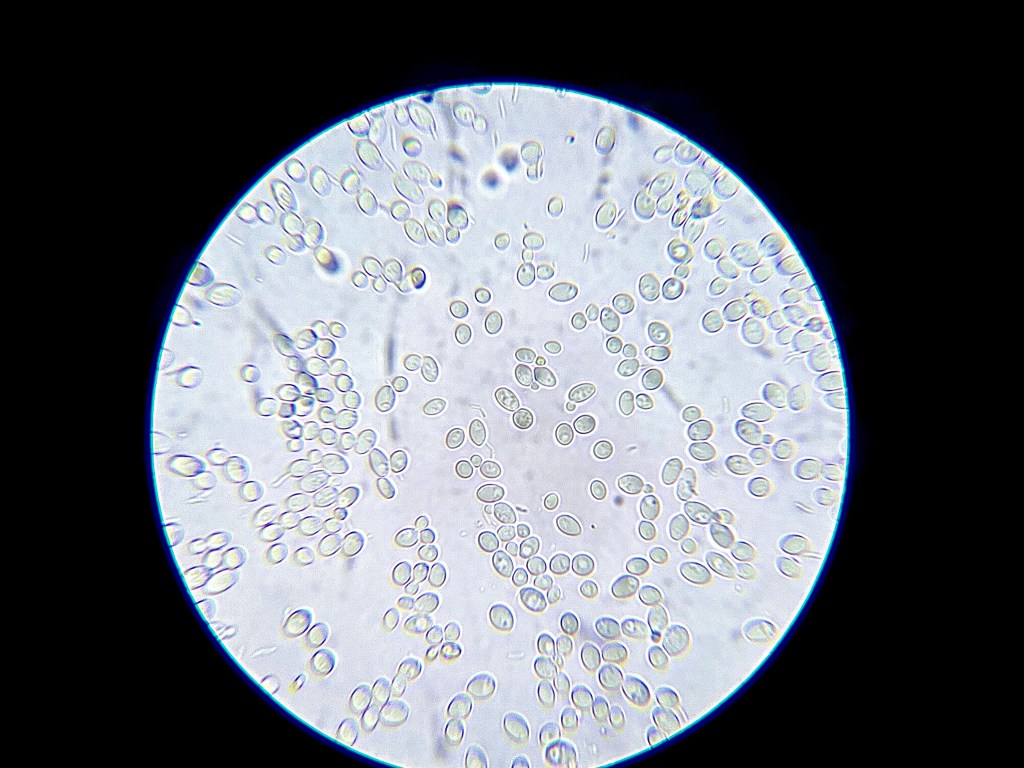
So I may not be a scientist , but this approach I think albeit pessimistic, has yet to end in disappointment.
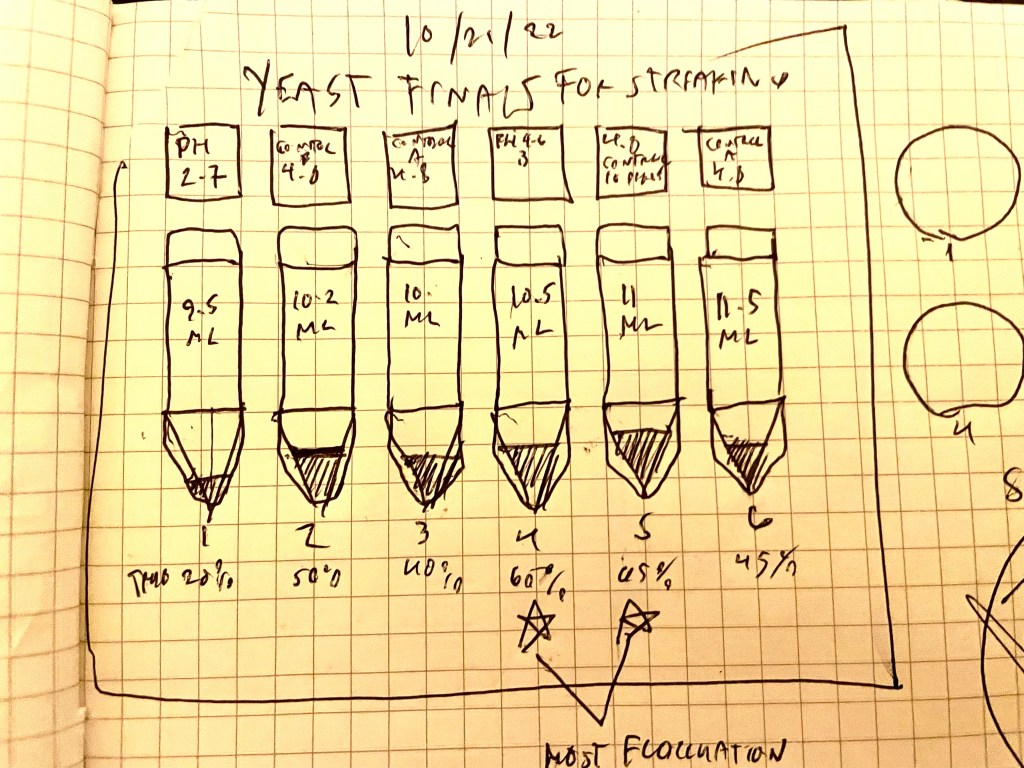
So I’ll will streak 6 agar plates with these six samples. In the game of schmoos I will view which plate shows the purest looking culture to move forward and scale up to a pitch-able amount for 1gallon. I have two 1 gallon fermenters , in which I will brew my wild ale with using the top two cultures. One notable result, is that no tube in the PH range of 3 remained sweet smelling, with the exception of the 2.7 PH sample being my most acidic one . There was noticeably less dead yeast cells in the bottom of that sample , but I believe that to be due to the lower PH.
Once again , I’m just a homebrewer striking out in the dark , but as an engineer, I feel comforted by empirical evidence and logical process . In other words , I’m moving forward beyond the …“is this safe ?“ territory, to the “will this taste good?” territory 🙏🏻
If the beer is good , i will make a 5 gallon batch , and use the paw paw pulp from the same farm and fruit I harvested the yeast to make a local beer since the farm is 2 miles from where I live 🍺
 Jenks Brew Club
Leave a comment